
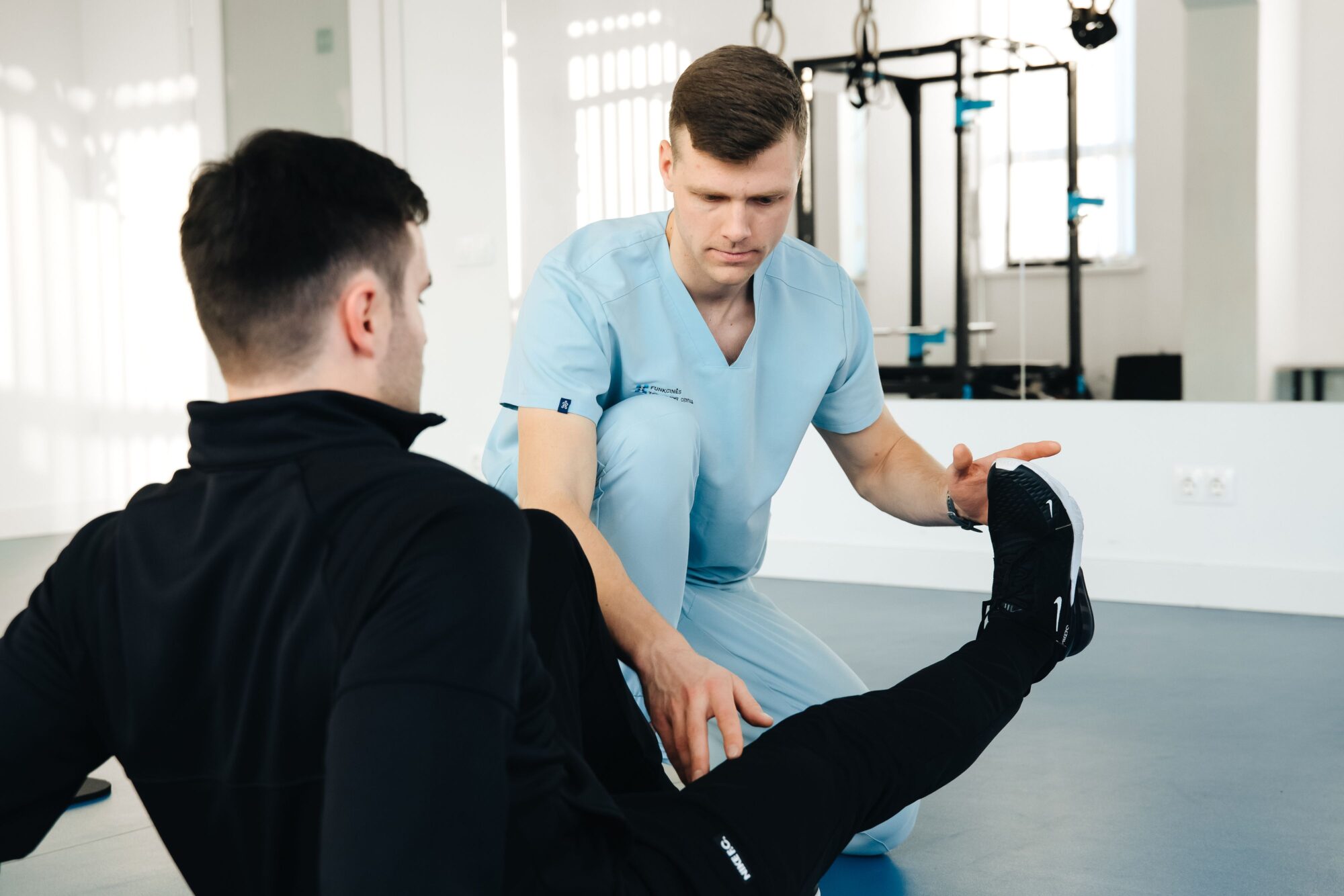
Starting your career as a physiotherapist is exciting, but it can also feel overwhelming.
When you graduate, it often feels like you’re expected to have all the answers. You want to help every patient, impress your colleagues, and apply everything you’ve learned at university. However, in reality, becoming a good physiotherapist takes time.
Here are 5 common mistakes and how to avoid them.
1. Trying to learn every technique
Many young physiotherapists believe they need to know every manual therapy technique, exercise progression, or treatment method before they can be confident clinicians.
The truth is that no clinician knows everything.
The physiotherapists who progress the fastest are not necessarily those with the biggest toolbox. They are the ones who understand why they are using a particular intervention and can adapt it to the individual in front of them.
Instead of asking, “What technique should I use?”, start asking, “What problem am I trying to solve?”
Clinical reasoning will take you much further than memorisation ever will.
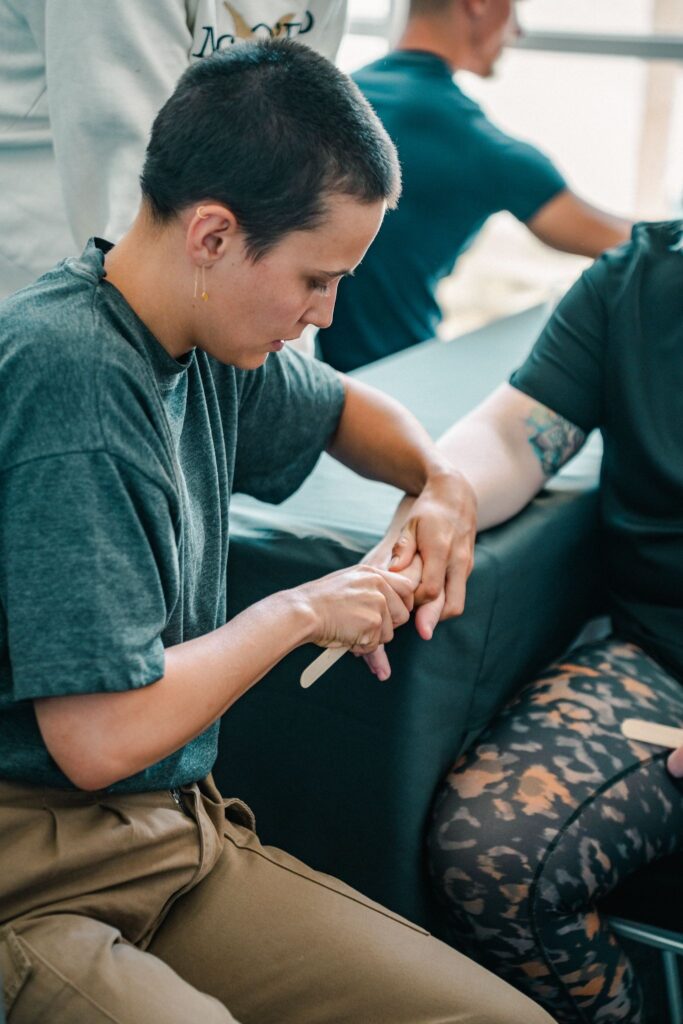
2. There is no perfect exercise
Early in your career, it’s easy to become obsessed with finding the perfect exercise.
You spend hours searching social media, reading research papers, or watching webinars hoping to discover the one exercise that will solve a patient’s problem.
Unfortunately, rehabilitation is rarely that simple. There are often many effective options. What matters most is choosing an exercise that matches the patient’s goals, current capacity, preferences, and available equipment.
A good exercise performed consistently is usually more effective than the perfect exercise performed occasionally.

3. Overcomplicating treatment plans
One of the most common mistakes new graduates make is trying to give patients too much.
Five mobility exercises, six strengthening exercises, three stretches, a foam rolling routine, and a detailed warm-up might seem impressive, but it often overwhelms the patient.
Most patients have jobs, families, and responsibilities outside of rehabilitation and simple plans are easier to follow and often produce better results.
If your patient only remembers one or two key exercises, that’s perfectly fine. Consistency beats complexity.
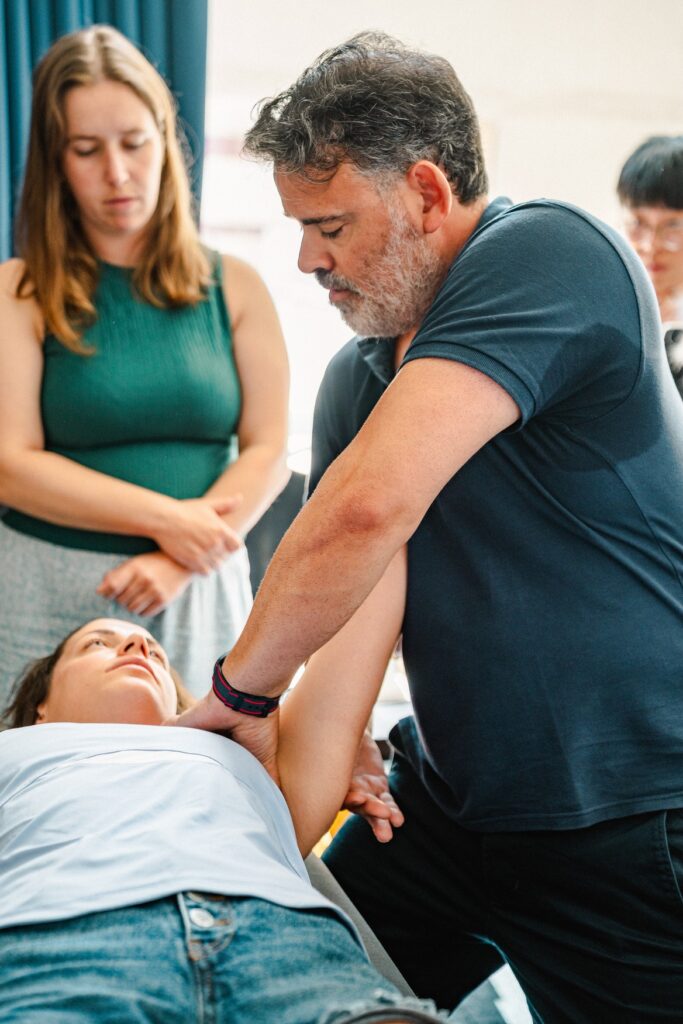
4. Ignoring load management
Many injuries are not caused by a lack of stretching, weak muscles, or poor movement patterns.
They are often the result of inappropriate loading. Whether you’re working with runners, football players, gym-goers, or office workers returning to activity, understanding load management is essential.
Patients improve when the amount of stress placed on their body matches their current capacity. Too much load can aggravate symptoms and too little load can delay adaptation.
Learning how to manage and progress load effectively is one of the most valuable skills a physiotherapist can develop.

5. Relying too much on passive treatments
Massage, dry needling, manual therapy, taping, and other passive treatments can all have a place in rehabilitation.
The problem occurs when they become the entire treatment plan.
Many young physiotherapists become dependent on passive treatments because they produce immediate changes and make us feel like we’re actively helping. However, long-term outcomes are often driven by education, movement, exercise, and behavioural change.
Active rehabilitation is usually what creates lasting results.

These five mistakes all have one thing in common: they’re related to clinical decision-making.
The good news is that none of them require years of experience to improve. By focusing on strong clinical reasoning, keeping rehabilitation simple, understanding load management, and using passive treatments appropriately, you’ll build habits that will benefit both you and your patients throughout your career.
Of course, becoming a great physiotherapist isn’t only about clinical knowledge. Communication, confidence, and mindset are just as important.
Watch out for part 2, we’ll explore five more mistakes that can hold young physiotherapists back, and more importantly, how to avoid them.
Becoming a better physiotherapist doesn’t happen overnight. It comes from experience, curiosity, and a commitment to keep learning throughout your career.
We believe some of the best learning happens when you step outside the traditional classroom, which is why our Physio Camps combine practical education, real-world experiences, and the opportunity to learn alongside other passionate physiotherapists.
Whether it’s running in Kenya, cycling in Girona, surfing in Sri Lanka, or exploring sports injuries in new environments, our camps are designed to help you continue developing as a clinician while creating unforgettable experiences along the way.
Discover our upcoming Physio Camps and find your next learning adventure.